Float Therapy Association
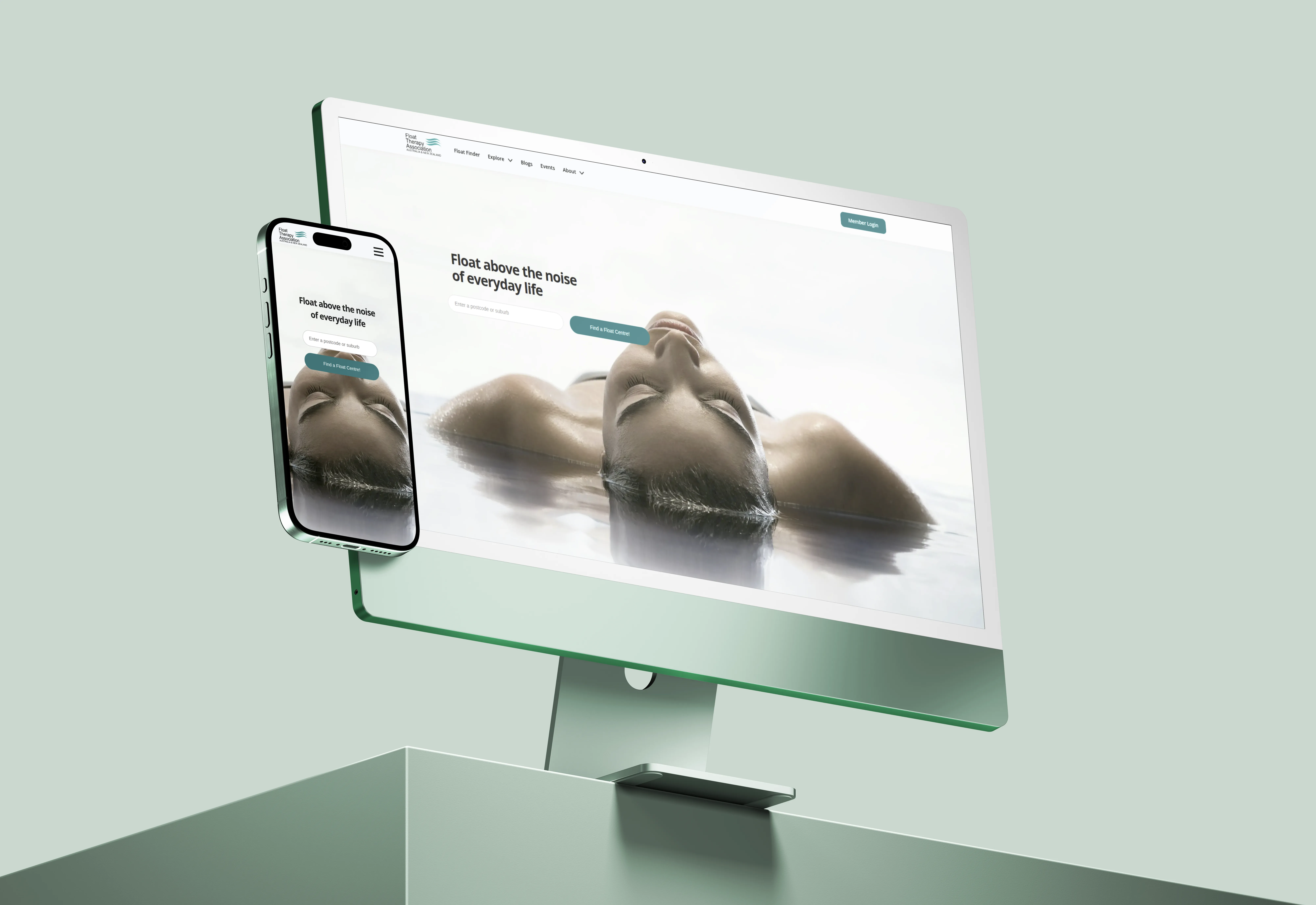
overview
The Float Therapy Association Australia & New Zealand, approached me with task of redesigning their website. The Association wanted to refocus their brand and approach to gaining support to be that of helping people find floatation centres more easily, encourage other floatation centres to join the association and provide more information surrounding floatation and its health benefits through live stream events and blogs.
Challenges
The FTA was limited in the project by their budget as a non for profit, as well as their shared promotion of each members business and franchises. The goal was to update the sites visuals to reflect this and as such promote the members centres for those interested in the benefits of floatation as a therapy.
Along with this the implementation of a blog that can be easily updated and would automatically populate the site was a must as it greatly increased the content for users who were seeking more information regarding the therapy. The site also required implementation of bespoke code and back-end development which made implementation of key features challenging.
Research & Insights
Analysis of the previous iteration revealed users struggling with basic tasks and location-based features, such as a map or nearby services indicator. Users reported struggling to see elements on pages, navigation menus, unresponsive interactions and pages. As a result of these findings the direction chosen was to minimise visual clutter whilst still maintaining the core branding and health focused feel of the site.
Outcome
This project reinforced the importance of user-centered design. Despite budget constraints and technical challenges, research-driven decisions and iterative prototyping led to a solution that improved usability and satisfied both users and clients.